---
title: What to Expect From Drug and Alcohol Rehab Programs in Ohio
description: Learn what to expect from drug and alcohol rehab in Ohio, including detox, therapy, daily routines, and levels of care for lasting recovery.
image: https://armadarecovery.com/hubfs/Rehab%20Programs%20in%20Ohio.png
---
[ ](https://armadarecovery.com/)
- Why Armada
Why Armada
[Our Mission Through immersive, deeply personalized recovery programs, we help clients heal from addiction, trauma, and abuse.](https://armadarecovery.com/our-mission)
[Care Approach On your way to healing, we know how to avoid additional hurt. To ensure clients are never reduced to inmates,](https://armadarecovery.com/care-approach)
[Armada Leadership Meet the Armada leadership team, and see how our personal stories make us your strongest ally.](https://armadarecovery.com/armada-leadership)
[Blog Learn about drug rehab and addiction treatment in Ohio](https://armadarecovery.com/blog)
- [Locations](https://armadarecovery.com/our-centers)
Locations
[Our Centers When you’re looking for a family, we’re in a community near you.](https://armadarecovery.com/our-centers)
[Armada Detox - Akron, Ohio](https://armadarecovery.com/akron-oh-detox)
[Armada Recovery - Akron, Ohio](https://armadarecovery.com/akron-oh-drug-rehab)
[Armada Recovery - Dayton, Ohio](https://armadarecovery.com/dayton-oh-drug-rehab)
- Care Levels
Care Levels
[ Detox Start your recovery journey with a safe and supportive detoxification process.](https://armadarecovery.com/detox)
[ Partial Hospitalization (PHP) If you’re not ready to live at home, and still suffer from moderate/severe cravings, we can help you recover in a structured environment.](https://armadarecovery.com/partial-hospitalization-php)
[ Intensive Outpatient (IOP) Recovery doesn’t end overnight; neither should your support. We’re here for you for as long as you need us.](https://armadarecovery.com/intensive-outpatient-iop)
[ Outpatient (OP) Ease back into sober living on your terms, with outpatient care that meets you where you are and gets you where you’re going.](https://armadarecovery.com/outpatient-op)
- Therapies
Therapies
[Cognitive Behavior Therapy (CBT) CBT is a type of psychotherapy that focuses on the adjustment of dysfunctional emotions, behaviors, and thoughts.](https://armadarecovery.com/cognitive-behavior-therapy-cbt)
Dialectical Behavior Therapy (DBT)
When everything you feel is overwhelming, our DBT can give you the resources you need
[Motivational Interviewing (MI) Finding the motivation to get, and stay, sober](https://armadarecovery.com/motivational-interviewing)
[Holistic Therapy Holistic therapy is a supplemental therapy program designed to improve your emotional and spiritual well-being.](https://armadarecovery.com/holistic-therapy)
[Recovery Therapy Benefit from a full spectrum of science-supported treatment.](https://armadarecovery.com/recovery-therapy)
[Recreational Therapy With a wide array of enriching activities, we can help you get in touch with who you are outside of your addiction.](https://armadarecovery.com/recreational-therapy)
- All We Treat
All We Treat
[ Alcohol Addiction Put down that drink and drink in life’s beauty.](https://armadarecovery.com/alcohol-addiction)
[ Opiate Addiction Take our hand. Take back your life.](https://armadarecovery.com/opiate-addiction)
[ Cocaine Addiction Clear your lungs. Clear your mind.](https://armadarecovery.com/cocaine-addiction)
[ Crystal Meth Addiction Take our hand. Take back your life.](https://armadarecovery.com/crystal-meth-addiction)
[ Prescription Drug Addiction Learn to grow beyond your pain.](https://armadarecovery.com/prescription-drug-addiction)
[ Marijuana Addiction Ditch the dope. Dive back into life.](https://armadarecovery.com/marijuana-addiction)
[ Heroin Addiction Quit the heroin. Find your inner hero.](https://armadarecovery.com/heroin-addiction)
[ Polydrug Abuse You are never beyond help.](https://armadarecovery.com/polydrug-abuse)
[ Fentanyl Don’t take the risk. Let us help you.](https://armadarecovery.com/fentanyl-addiction)
- [Care with Us](https://armadarecovery.com/care-with-us)
- Contact
Contact
[Contact Us Complete the form for more information about our rehab services.](https://armadarecovery.com/contact-us)
[Insurance Verification Fill out the forms to verify your insurance coverage with us.](https://armadarecovery.com/insurance-verification)
[What to Expect We’re here to welcome you with open arms—and without judgment.](https://armadarecovery.com/what-to-expect)
- [Call Now > 888-202-4232](tel:+1888-202-4232)
# What to Expect From Drug and Alcohol Rehab Programs in Ohio
Share Article
Apr 8, 2026 1:00:01 PM
Deciding to enter treatment for substance use is rarely easy. For many individuals and families, uncertainty about what rehab actually looks like can create hesitation. Questions about daily routines, medical care, therapy, and length of stay often feel overwhelming — especially during an already emotional time.
Understanding what to expect from drug and alcohol rehab programs in Ohio can help reduce fear and replace it with clarity. While each facility may structure care slightly differently, high-quality programs follow a consistent framework: medical stabilization, structured therapy, personalized treatment planning, and long-term recovery support.
Rehabilitation is not about punishment or isolation. It is a professional, clinically guided process designed to help individuals restore physical health, regain emotional stability, and rebuild their lives with sustainable support.
---
## The First Step: Admissions and Assessment
Treatment typically begins with a confidential admissions call. Many programs offer 24/7 support, recognizing that the decision to seek help can happen at any hour. During this initial conversation, admissions specialists gather preliminary information and may verify insurance benefits to reduce financial uncertainty.
Once admitted, individuals undergo a comprehensive clinical assessment. This includes:
- A medical evaluation
- A review of substance use history
- Mental health screening
- Risk assessment for withdrawal symptoms
- Development of a personalized treatment plan
This assessment phase ensures that care is tailored to the individual rather than based on a fixed template. At Armada Recovery, for example, admissions and clinical teams collaborate to create structured plans aligned with each person’s physical and psychological needs from the very beginning.
---
## What Happens During Detox?
For many individuals, detox is the first stage of care. Detoxification focuses on safely managing withdrawal symptoms under medical supervision. Substances such as alcohol, opioids, heroin, and fentanyl can produce uncomfortable — and sometimes medically complex — withdrawal effects.
During detox, medical professionals monitor vital signs, manage symptoms, and provide emotional reassurance. The goal is stabilization.
It is important to understand that detox is not comprehensive treatment. It prepares the body and mind for deeper therapeutic work. Once stabilized, individuals transition into structured programming that addresses the underlying causes of substance use.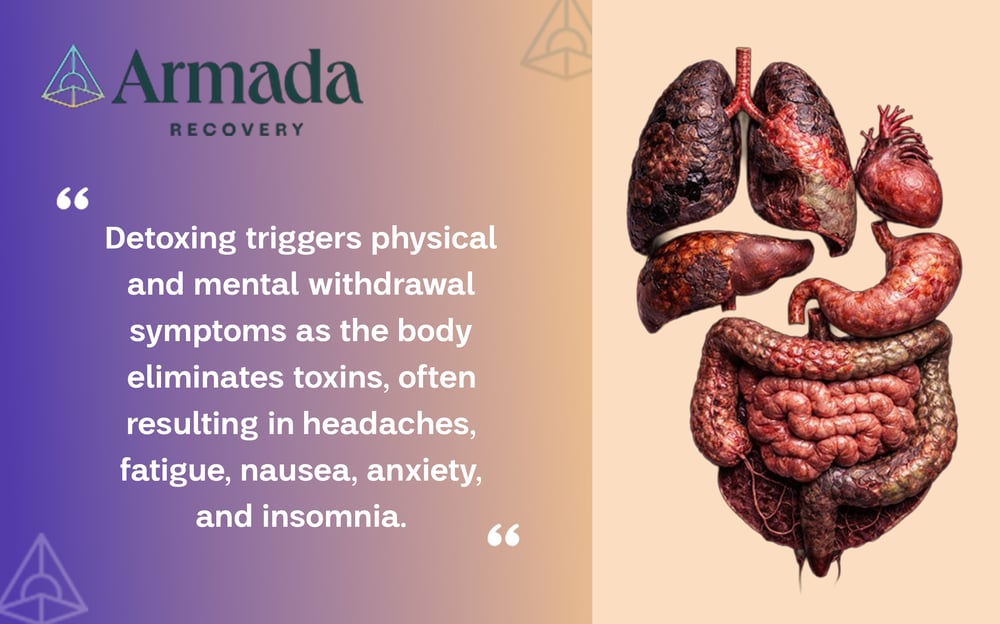
---
## A Structured Daily Schedule in Rehab
After detox, treatment becomes more immersive. Drug and alcohol rehab programs in Ohio often follow a structured daily routine designed to promote stability and accountability.
A typical day may include:
- Individual therapy sessions
- Group counseling
- Evidence-based therapeutic modalities such as Cognitive Behavioral Therapy (CBT), Dialectical Behavior Therapy (DBT), and Motivational Interviewing (MI)
- Educational workshops
- Skill-building exercises
- Wellness activities such as fitness sessions or yoga
- Medication management when clinically appropriate
This structured environment reduces chaos and replaces it with consistency. Predictability helps regulate emotions, rebuild healthy habits, and establish routines that support sobriety long after formal treatment ends.
---
## Moving Through Different Levels of Care
Recovery is not static. As individuals make progress, their level of care often adjusts accordingly.
### Partial Hospitalization (PHP)
PHP provides a highly structured clinical environment during the day. It is typically recommended for individuals transitioning from detox who still require intensive support but are medically stable.
### Intensive Outpatient (IOP)
IOP offers structured therapy several times per week while allowing individuals to begin reintegrating into daily life. This level reinforces coping skills in real-world situations.
### Outpatient Care
Outpatient programming represents the least intensive level of structured care. Individuals attend scheduled sessions while maintaining independence at home or in sober living environments.
A graduated model allows for flexibility. Rather than discharging someone abruptly, programs can reduce intensity gradually as stability increases.
---
## Addressing Both Addiction and Mental Health
Substance use often coexists with mental health conditions such as anxiety, depression, trauma-related disorders, or mood instability. Effective treatment addresses both simultaneously.
Dual-diagnosis care integrates mental health therapy with addiction treatment. Emotional regulation skills, trauma-informed approaches, and psychiatric oversight may all be incorporated into a comprehensive plan.
Ignoring underlying psychological challenges increases the risk of relapse. Addressing both dimensions strengthens long-term outcomes.
---
## Family Involvement and Community Reintegration
Addiction impacts families as well as individuals. Many rehab programs encourage family education and involvement when appropriate. Rebuilding communication and restoring trust can be critical components of healing.
Beyond therapy, quality programs often provide:
- Case management
- Career planning assistance
- Peer support
- Alumni engagement opportunities
Reintegration into community life is a gradual process. Structured support during this transition helps individuals rebuild relationships, secure employment, and establish healthy daily routines.
Armada Recovery’s philosophy — “All behind you, until it’s All behind you™” — reflects this long-term commitment to sustained recovery and community reintegration.
---
## What Makes a Program Effective?
Not all treatment centers operate at the same standard. When evaluating options, consider whether the program offers:
- Medical oversight during detox
- Evidence-based therapies
- Personalized treatment planning
- A team-based model of care
- Structured aftercare planning
- Ongoing alumni support
Recovery is a serious clinical process. Programs that combine compassion with professional rigor tend to provide the strongest foundation for long-term sobriety.
---
## Beginning the Recovery Process in Ohio
If you or someone you love is considering treatment, the most important step is reaching out. Asking questions does not commit you to admission — it simply opens the door to understanding your options.
Armada Recovery provides comprehensive drug and alcohol treatment services throughout Ohio, including medically supervised detox, structured day programs, outpatient care, and long-term recovery planning. Admissions specialists are available around the clock to provide confidential guidance and insurance verification.
Taking action today can begin the process of rebuilding stability, clarity, and purpose.
[](https://armadarecovery.com/hs/cta/wi/redirect?encryptedPayload=AVxigLJEQc%2BzPquWvMiuon4zmFSb6QC8UQB%2BAlXcEdimjr8Gl%2BMvYJaeKXMD1OLII%2BdFMbywaXq6mOB%2B2c53R%2BDq%2F4hWG%2FIoAnGgP8pfvHZtWd6XycA5l4UaUVUxfGWNvz9izPqBeeOBN3a%2FJkOn0%2FbnDJWWBws%3D&webInteractiveContentId=210388439328&portalId=39534483)
| Frequently Asked Questions About Addiction Treatment in Ohio |
| --- |
| **How long does rehab typically last?** The duration of treatment varies depending on clinical needs, substance history, and mental health factors. Some individuals require several weeks of structured programming, while others benefit from extended outpatient support. Programs such as Armada Recovery tailor timelines to individual progress rather than rigid schedules. |
| **Is detox always required?** Not everyone requires medical detox. Detox is necessary when withdrawal symptoms pose medical or psychological risks. A professional assessment determines whether detox is appropriate before transitioning into therapeutic care. |
| **Can I continue working while in treatment?** This depends on the level of care. Intensive programs such as PHP require full-day participation. Outpatient programs, however, often allow individuals to work or attend school while participating in structured therapy sessions. |
| **Will insurance cover rehab services?** Many insurance plans provide behavioral health coverage. Benefits vary based on the policy. Most treatment centers, including Armada Recovery, offer insurance verification to clarify coverage before admission. |
| **What should I bring to rehab?** Facilities typically provide guidance before admission. Personal items, comfortable clothing, identification, and approved hygiene products are commonly allowed. Admissions staff can provide a detailed checklist. |
| **What happens after treatment ends?** Recovery continues beyond formal programming. Aftercare planning, alumni engagement, and community support play vital roles in maintaining long-term sobriety. Ongoing connection and accountability significantly strengthen outcomes. |
[Drug Rehab](https://armadarecovery.com/blog/tag/drug-rehab) , [Alcohol](https://armadarecovery.com/blog/tag/alcohol)
[ All behind you TM](https://armadarecovery.com/)
- Why Armada
- [Our Mission](https://armadarecovery.com/our-mission)
- [Care Approach](https://armadarecovery.com/care-approach)
- [Armada Leadership](https://armadarecovery.com/armada-leadership)
- [Blog](https://armadarecovery.com/blog)
- Communities
- [Our Centers](https://armadarecovery.com/our-centers)
- [Life Stories](https://armadarecovery.com/life-stories)
- Care Levels
- [Partial Hospitalization (PHP)](https://armadarecovery.com/partial-hospitalization-php)
- [Intensive Outpatient (IOP)](https://armadarecovery.com/intensive-outpatient-iop)
- [Outpatient (OP)](https://armadarecovery.com/outpatient-op)
- Therapies
- [Cognitive Behavior Therapy (CBT)](https://armadarecovery.com/cognitive-behavior-therapy-cbt)
- Dialectical Behavior Therapy (DBT)
- [Motivational Interviewing](https://armadarecovery.com/motivational-interviewing)
- [Holistic Therapy](https://armadarecovery.com/holistic-therapy)
- [Recovery Therapy](https://armadarecovery.com/recovery-therapy)
- [Recreation Therapy](https://armadarecovery.com/recreational-therapy)
- All We Treat
- [Alcohol Addiction](https://armadarecovery.com/alcohol-addiction)
- [Cocaine Addiction](https://armadarecovery.com/cocaine-addiction)
- [Prescription Drug Addiction](https://armadarecovery.com/prescription-drug-addiction)
- [Heroin Addiction](https://armadarecovery.com/heroin-addiction)
- [Opiate Addiction](https://armadarecovery.com/opiate-addiction)
- [Crystal Meth Addiction](https://armadarecovery.com/crystal-meth-addiction)
- [Marijuana Addiction](https://armadarecovery.com/marijuana-addiction)
- [Polydrug Abuse](https://armadarecovery.com/polydrug-abuse)
- Careers
- [Care with Us](https://armadarecovery.com/care-with-us)
- Get Help Now
- [Insurance Verification](https://armadarecovery.com/insurance-verification)
- [What to Expect](https://armadarecovery.com/what-to-expect)
- What to Pack
- Other FAQs
- Contact us
- [Info@armadarecovery.com](mailto:Info@armadarecovery.com)
- [(888) 202-4232](tel:+18882024232)
- [Privacy Policy](https://armadarecovery.com/privacy-policy)
- Armada Recovery of Akron
- 323 S Main St Unit 301, Akron, OH 44308
- [(234) 271-5785](tel:+12342715785)
- Armada Recovery of Dayton
- [1628 Springfield St, Dayton, OH 45403](https://armadarecovery.com/dayton-oh-drug-rehab)
- [(888) 202-4232](tel:+18882024232)
- Armada Recovery Detox of Akron
- [105 E Market St, Akron, OH 44308](https://armadarecovery.com/akron-oh-detox)
- [(888) 202-4232](tel:+1888-202-4232)
© 2026 Armada Recovery All Rights Reserved
```json
{
"@context" : "https://schema.org",
"@type" : "BlogPosting",
"author" : {
"@type" : "Person",
"name" : "Armada",
"url" : "https://armadarecovery.com/blog/author/armada"
},
"dateModified" : "2026-04-08T17:00:01.137Z",
"datePublished" : "2026-04-08T17:00:01.000Z",
"headline" : "What to Expect From Drug and Alcohol Rehab Programs in Ohio",
"image" : [ "https://armadarecovery.com/hubfs/Rehab%20Programs%20in%20Ohio.png" ],
"mainEntityOfPage" : {
"@id" : "https://armadarecovery.com/blog/what-to-expect-from-drug-and-alcohol-rehab-programs-in-ohio",
"@type" : "WebPage"
},
"publisher" : {
"@type" : "Organization",
"logo" : {
"@type" : "ImageObject"
},
"name" : "Armada Recovery"
}
}
```