---
title: What Are the Best Drug Rehab Centers Available in Ohio?
description: Find the best drug rehab centers in Ohio. Learn about detox, therapy, levels of care, and how to choose the right treatment for lasting recovery.
image: https://armadarecovery.com/hubfs/Best%20Drug%20Rehab%20Centers%20in%20Ohio.jpg
---
[ ](https://armadarecovery.com/)
- Why Armada
Why Armada
[Our Mission Through immersive, deeply personalized recovery programs, we help clients heal from addiction, trauma, and abuse.](https://armadarecovery.com/our-mission)
[Care Approach On your way to healing, we know how to avoid additional hurt. To ensure clients are never reduced to inmates,](https://armadarecovery.com/care-approach)
[Armada Leadership Meet the Armada leadership team, and see how our personal stories make us your strongest ally.](https://armadarecovery.com/armada-leadership)
[Blog Learn about drug rehab and addiction treatment in Ohio](https://armadarecovery.com/blog)
- [Locations](https://armadarecovery.com/our-centers)
Locations
[Our Centers When you’re looking for a family, we’re in a community near you.](https://armadarecovery.com/our-centers)
[Armada Detox - Akron, Ohio](https://armadarecovery.com/akron-oh-detox)
[Armada Recovery - Akron, Ohio](https://armadarecovery.com/akron-oh-drug-rehab)
[Armada Recovery - Dayton, Ohio](https://armadarecovery.com/dayton-oh-drug-rehab)
- Care Levels
Care Levels
[ Detox Start your recovery journey with a safe and supportive detoxification process.](https://armadarecovery.com/detox)
[ Partial Hospitalization (PHP) If you’re not ready to live at home, and still suffer from moderate/severe cravings, we can help you recover in a structured environment.](https://armadarecovery.com/partial-hospitalization-php)
[ Intensive Outpatient (IOP) Recovery doesn’t end overnight; neither should your support. We’re here for you for as long as you need us.](https://armadarecovery.com/intensive-outpatient-iop)
[ Outpatient (OP) Ease back into sober living on your terms, with outpatient care that meets you where you are and gets you where you’re going.](https://armadarecovery.com/outpatient-op)
- Therapies
Therapies
[Cognitive Behavior Therapy (CBT) CBT is a type of psychotherapy that focuses on the adjustment of dysfunctional emotions, behaviors, and thoughts.](https://armadarecovery.com/cognitive-behavior-therapy-cbt)
Dialectical Behavior Therapy (DBT)
When everything you feel is overwhelming, our DBT can give you the resources you need
[Motivational Interviewing (MI) Finding the motivation to get, and stay, sober](https://armadarecovery.com/motivational-interviewing)
[Holistic Therapy Holistic therapy is a supplemental therapy program designed to improve your emotional and spiritual well-being.](https://armadarecovery.com/holistic-therapy)
[Recovery Therapy Benefit from a full spectrum of science-supported treatment.](https://armadarecovery.com/recovery-therapy)
[Recreational Therapy With a wide array of enriching activities, we can help you get in touch with who you are outside of your addiction.](https://armadarecovery.com/recreational-therapy)
- All We Treat
All We Treat
[ Alcohol Addiction Put down that drink and drink in life’s beauty.](https://armadarecovery.com/alcohol-addiction)
[ Opiate Addiction Take our hand. Take back your life.](https://armadarecovery.com/opiate-addiction)
[ Cocaine Addiction Clear your lungs. Clear your mind.](https://armadarecovery.com/cocaine-addiction)
[ Crystal Meth Addiction Take our hand. Take back your life.](https://armadarecovery.com/crystal-meth-addiction)
[ Prescription Drug Addiction Learn to grow beyond your pain.](https://armadarecovery.com/prescription-drug-addiction)
[ Marijuana Addiction Ditch the dope. Dive back into life.](https://armadarecovery.com/marijuana-addiction)
[ Heroin Addiction Quit the heroin. Find your inner hero.](https://armadarecovery.com/heroin-addiction)
[ Polydrug Abuse You are never beyond help.](https://armadarecovery.com/polydrug-abuse)
[ Fentanyl Don’t take the risk. Let us help you.](https://armadarecovery.com/fentanyl-addiction)
- [Care with Us](https://armadarecovery.com/care-with-us)
- Contact
Contact
[Contact Us Complete the form for more information about our rehab services.](https://armadarecovery.com/contact-us)
[Insurance Verification Fill out the forms to verify your insurance coverage with us.](https://armadarecovery.com/insurance-verification)
[What to Expect We’re here to welcome you with open arms—and without judgment.](https://armadarecovery.com/what-to-expect)
- [Call Now > 888-202-4232](tel:+1888-202-4232)
# What Are the Best Drug Rehab Centers Available in Ohio?
Share Article
Apr 1, 2026 12:59:59 AM
When you begin searching for treatment, the number of options can feel overwhelming. Every facility claims to offer compassionate care, proven therapies, and life-changing results. But when addiction is affecting you or someone you love, you are not looking for marketing language — you are looking for real help.
The best rehabilitation centers are not defined by bold claims. They are defined by clinical depth, personalized care, medical safety, and long-term support that extends beyond initial stabilization. In Ohio, families have access to a range of treatment programs — but knowing what truly separates high-quality care from temporary solutions is essential.
Recovery is not a single event. It is a structured process that restores health, rebuilds relationships, and re-establishes purpose. Understanding what to look for can make all the difference.
## What Defines a High-Quality Addiction Treatment Center?
When evaluating treatment options, several core elements signal a strong and reputable program.
### 
### A Complete Continuum of Care
Addiction recovery rarely happens in one stage. Effective programs offer multiple levels of care that allow individuals to move through treatment at a pace that reflects their clinical progress.
These levels often include:
- Medically supervised detox
- Partial Hospitalization Programs (PHP)
- Intensive Outpatient Programs (IOP)
- Outpatient care
This structured progression ensures that individuals are neither rushed through treatment nor left without support. As stability improves, the level of care adjusts accordingly.
### Evidence-Based Therapy
[Reputable centers](https://armadarecovery.com/) rely on proven therapeutic models grounded in research and clinical practice. These typically include:
- Cognitive Behavioral Therapy (CBT)
- Dialectical Behavior Therapy (DBT)
- Motivational Interviewing (MI)
- Structured individual and group counseling
These approaches help individuals identify destructive thought patterns, regulate emotional responses, and build internal motivation for sustained change.
### Individualized Treatment Planning
No two recovery journeys are identical. Programs that rely on rigid schedules or fixed timelines often fail to address underlying psychological and physiological differences.
Strong treatment models are personalized. Care plans are adjusted to reflect trauma history, co-occurring mental health conditions, substance use severity, and social circumstances. This flexibility increases engagement and long-term success.
### Medical Oversight and Stabilization
Withdrawal from substances such as alcohol, opioids, heroin, or fentanyl can be medically complex. Safe detoxification under clinical supervision protects both physical and emotional health.
In some cases, medication management may be incorporated to reduce cravings or manage symptoms. Ongoing medical involvement ensures that recovery is not only therapeutic, but safe.
### Long-Term Support and Reintegration
Initial treatment is only the beginning. Sustainable recovery depends on continued structure and community connection.
The strongest programs offer:
- Case management
- Career and life planning
- Alumni engagement
- Continued therapeutic support
Rebuilding daily life requires guidance, accountability, and community — not isolation.
## Understanding the Different Levels of Care
Families often encounter unfamiliar terminology while researching treatment. Clarifying these levels can help guide informed decisions.
### Medical Detox
[Detoxification](https://armadarecovery.com/akron-oh-detox) is the stabilization phase. During this time, medical professionals monitor withdrawal symptoms and provide support to ensure safety and comfort. Detox alone is not comprehensive treatment; it prepares the body and mind for deeper therapeutic work.
### Partial Hospitalization (PHP)
PHP offers intensive daytime clinical programming in a structured environment. It is designed for individuals who require significant support but are transitioning out of detox.
Daily therapy sessions, skill-building activities, and accountability measures provide structure while strengthening recovery foundations.
### Intensive Outpatient (IOP)
IOP allows individuals to attend therapy several times per week while beginning to reintegrate into everyday life. This stage reinforces coping mechanisms in real-world settings.
### Outpatient Care
Outpatient programming provides continued therapeutic guidance with greater independence. Regular sessions help maintain accountability and prevent relapse as individuals fully transition back into their communities.
A comprehensive program integrates each of these stages, allowing seamless movement between levels as progress is made.
---
## Why Community-Based Treatment Matters
Addiction affects more than the individual — it impacts families and entire communities. Treatment that is embedded within local networks often fosters stronger reintegration outcomes.
When care teams collaborate with families and prioritize community connection, individuals are better prepared to rebuild healthy relationships and restore stability. Recovery is not about removal from life; it is about reconstructing it with structure and support.
Ohio communities continue to face challenges related to alcohol misuse, opioids, fentanyl exposure, and stimulant use. Addressing these realities requires programs that combine clinical expertise with authentic compassion.
---
## Substances Commonly Treated in Ohio Programs
Comprehensive centers provide care for a wide range of substance use disorders, including:
- Alcohol dependence
- Heroin and fentanyl use
- Prescription opioid misuse
- Cocaine and stimulant addiction
- Methamphetamine use
- Marijuana misuse
- Polydrug patterns
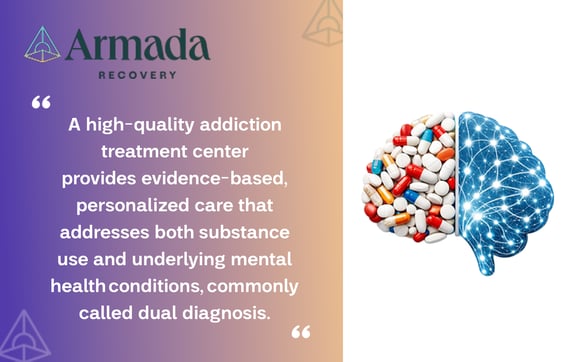
Many individuals also experience co-occurring mental health conditions such as anxiety, depression, or trauma-related disorders. Integrated dual-diagnosis treatment ensures that both mental health and substance use are addressed simultaneously.
---
## Choosing the Right Program for You or a Loved One
If you are evaluating options, consider asking:
- Does the facility offer multiple levels of care?
- Is detox medically supervised?
- Are therapies evidence-based?
- Are treatment plans personalized?
- Is there structured aftercare?
- Is admissions support available quickly?
Timing is critical. The decision to seek help can be fragile. Programs that offer immediate admissions assistance and streamlined insurance verification remove unnecessary barriers during vulnerable moments.
---
## A Team-Based Approach to Recovery
Addiction often isolates individuals from family, purpose, and identity. Effective treatment reverses that isolation through coordinated care.
When physicians, therapists, case managers, and peer specialists work together, individuals experience recovery as a shared effort rather than a solitary struggle. Compassion paired with clinical structure creates a powerful foundation for change.
Recovery is about more than abstinence. It is about restoring clarity of mind, strength of body, and a renewed sense of direction. With the right support system in place, individuals can rediscover stability and resilience.
---
## Taking the First Step
If you or someone you love is struggling with substance use, help is available. Professional support can provide the structure, safety, and guidance needed to begin rebuilding.
[Armada Recovery](https://armadarecovery.com/akron-oh-rehab)offers comprehensive addiction and mental health treatment across Ohio, including medically supported detox, structured day programs, outpatient care, and long-term recovery planning. With a team-based philosophy and deeply personalized approach, individuals are supported from their first call through each stage of healing.
Admissions specialists are available 24/7 to answer questions, verify insurance benefits, and help you understand your options.
[](https://armadarecovery.com/hs/cta/wi/redirect?encryptedPayload=AVxigLIxHjjyEiP%2FxmyozaE6f%2B2KzhECaWukwx5OUqYJHoHlZxBrp9Iao0EGcOaWI%2F1N9jPxyZ%2B8GyKyKAKOHLm7zmbi2oDyxE0Qx1Z%2B%2BF%2B9YSmrY3pdQ0cYQswkU5AJWYHnIqIe0KIDPfyOwFHkVQnfGzz5wew%3D&webInteractiveContentId=210195627535&portalId=39534483)
| Frequently Asked Questions About Addiction Treatment in Ohio |
| --- |
| **How long does addiction treatment typically last?** The length of treatment varies based on clinical need, substance history, and co-occurring mental health conditions. Some individuals begin with detox and continue through structured day programs before transitioning into outpatient care. Others may require longer-term support. Effective recovery programs focus on progress rather than arbitrary timelines. At Armada Recovery, treatment plans are individualized to reflect each person’s unique recovery path rather than a fixed schedule. |
| **Does insurance cover addiction treatment?** Many insurance providers offer coverage for detox, outpatient services, and behavioral health treatment. Coverage levels vary depending on your policy and provider network. Most reputable treatment centers offer insurance verification services to help families understand benefits before admission. Armada Recovery provides confidential insurance verification to clarify coverage and remove financial uncertainty during the admissions process. |
| **What is the difference between detox and rehab?** Detox is the medical stabilization phase where withdrawal symptoms are safely managed under clinical supervision. Rehabilitation refers to the therapeutic phase that follows detox, where individuals engage in counseling, skill-building, and relapse prevention work. Detox alone does not address the underlying causes of substance use — it prepares individuals for deeper clinical treatment. |
| **What therapies are used in professional treatment programs?** High-quality programs rely on evidence-based approaches such as Cognitive Behavioral Therapy (CBT), Dialectical Behavior Therapy (DBT), and Motivational Interviewing (MI). These therapies help individuals understand thought patterns, regulate emotions, and build internal motivation for lasting change. Many programs, including Armada Recovery, also integrate case management and holistic support services to address the full scope of recovery. |
| **Can treatment address both addiction and mental health issues?** Yes. Many individuals experience co-occurring conditions such as anxiety, depression, or trauma-related disorders alongside substance use. Integrated dual-diagnosis treatment addresses both simultaneously, which is essential for long-term stability. Programs that treat only substance use without addressing mental health often see higher relapse rates. |
| **How quickly can someone begin treatment?** Admission timelines vary, but facilities that offer 24/7 admissions support can often begin the intake process immediately. When someone is ready to seek help, rapid response is critical. Armada Recovery maintains around-the-clock admissions availability to ensure individuals can access support during crucial decision-making moments. |
| **Is outpatient treatment effective?** Outpatient programs can be highly effective when appropriately matched to an individual’s clinical needs. They provide structured therapy while allowing clients to live at home and gradually reintegrate into daily life. For some, outpatient care follows detox or partial hospitalization. For others, it may serve as the primary level of support. |
| **What happens after formal treatment ends?** Recovery is an ongoing process. Strong programs provide aftercare planning, alumni engagement, and continued access to support resources. Long-term success often depends on sustained accountability, community connection, and structured follow-up. Armada Recovery emphasizes continued involvement beyond initial treatment to help individuals maintain stability as they rebuild their lives. |
[Drug Rehab](https://armadarecovery.com/blog/tag/drug-rehab)
[ All behind you TM](https://armadarecovery.com/)
- Why Armada
- [Our Mission](https://armadarecovery.com/our-mission)
- [Care Approach](https://armadarecovery.com/care-approach)
- [Armada Leadership](https://armadarecovery.com/armada-leadership)
- [Blog](https://armadarecovery.com/blog)
- Communities
- [Our Centers](https://armadarecovery.com/our-centers)
- [Life Stories](https://armadarecovery.com/life-stories)
- Care Levels
- [Partial Hospitalization (PHP)](https://armadarecovery.com/partial-hospitalization-php)
- [Intensive Outpatient (IOP)](https://armadarecovery.com/intensive-outpatient-iop)
- [Outpatient (OP)](https://armadarecovery.com/outpatient-op)
- Therapies
- [Cognitive Behavior Therapy (CBT)](https://armadarecovery.com/cognitive-behavior-therapy-cbt)
- Dialectical Behavior Therapy (DBT)
- [Motivational Interviewing](https://armadarecovery.com/motivational-interviewing)
- [Holistic Therapy](https://armadarecovery.com/holistic-therapy)
- [Recovery Therapy](https://armadarecovery.com/recovery-therapy)
- [Recreation Therapy](https://armadarecovery.com/recreational-therapy)
- All We Treat
- [Alcohol Addiction](https://armadarecovery.com/alcohol-addiction)
- [Cocaine Addiction](https://armadarecovery.com/cocaine-addiction)
- [Prescription Drug Addiction](https://armadarecovery.com/prescription-drug-addiction)
- [Heroin Addiction](https://armadarecovery.com/heroin-addiction)
- [Opiate Addiction](https://armadarecovery.com/opiate-addiction)
- [Crystal Meth Addiction](https://armadarecovery.com/crystal-meth-addiction)
- [Marijuana Addiction](https://armadarecovery.com/marijuana-addiction)
- [Polydrug Abuse](https://armadarecovery.com/polydrug-abuse)
- Careers
- [Care with Us](https://armadarecovery.com/care-with-us)
- Get Help Now
- [Insurance Verification](https://armadarecovery.com/insurance-verification)
- [What to Expect](https://armadarecovery.com/what-to-expect)
- What to Pack
- Other FAQs
- Contact us
- [Info@armadarecovery.com](mailto:Info@armadarecovery.com)
- [(888) 202-4232](tel:+18882024232)
- [Privacy Policy](https://armadarecovery.com/privacy-policy)
- Armada Recovery of Akron
- 323 S Main St Unit 301, Akron, OH 44308
- [(234) 271-5785](tel:+12342715785)
- Armada Recovery of Dayton
- [1628 Springfield St, Dayton, OH 45403](https://armadarecovery.com/dayton-oh-drug-rehab)
- [(888) 202-4232](tel:+18882024232)
- Armada Recovery Detox of Akron
- [105 E Market St, Akron, OH 44308](https://armadarecovery.com/akron-oh-detox)
- [(888) 202-4232](tel:+1888-202-4232)
© 2026 Armada Recovery All Rights Reserved
```json
{
"@context" : "https://schema.org",
"@type" : "BlogPosting",
"author" : {
"@type" : "Person",
"name" : "Armada",
"url" : "https://armadarecovery.com/blog/author/armada"
},
"dateModified" : "2026-04-01T04:59:59.819Z",
"datePublished" : "2026-04-01T04:59:59.000Z",
"headline" : "What Are the Best Drug Rehab Centers Available in Ohio?",
"image" : [ "https://armadarecovery.com/hubfs/Best%20Drug%20Rehab%20Centers%20in%20Ohio.jpg" ],
"mainEntityOfPage" : {
"@id" : "https://armadarecovery.com/blog/what-are-the-best-drug-rehab-centers-available-in-ohio",
"@type" : "WebPage"
},
"publisher" : {
"@type" : "Organization",
"logo" : {
"@type" : "ImageObject"
},
"name" : "Armada Recovery"
}
}
```